
Denver drivers know better than most how unpredictable Colorado weather can be. One minute you’re enjoying clear skies over the Rockies, and the next you’re caught in a fast-moving storm dropping golf-ball-sized hail on your vehicle. Because hail damage is so common in the Denver metro—especially during spring and summer—many vehicle owners regularly ask the same question:
“Does insurance cover paintless dent repair (PDR)?”
The short answer is: yes, most insurance companies do cover paintless dent repair, especially for hail damage claims. However, the details matter. The type of coverage you have, the size of the deductible, the insurance company’s inspection process, and the repair shop you choose all impact your claim experience.
What Is Paintless Dent Repair (PDR) and Why Insurers Prefer It
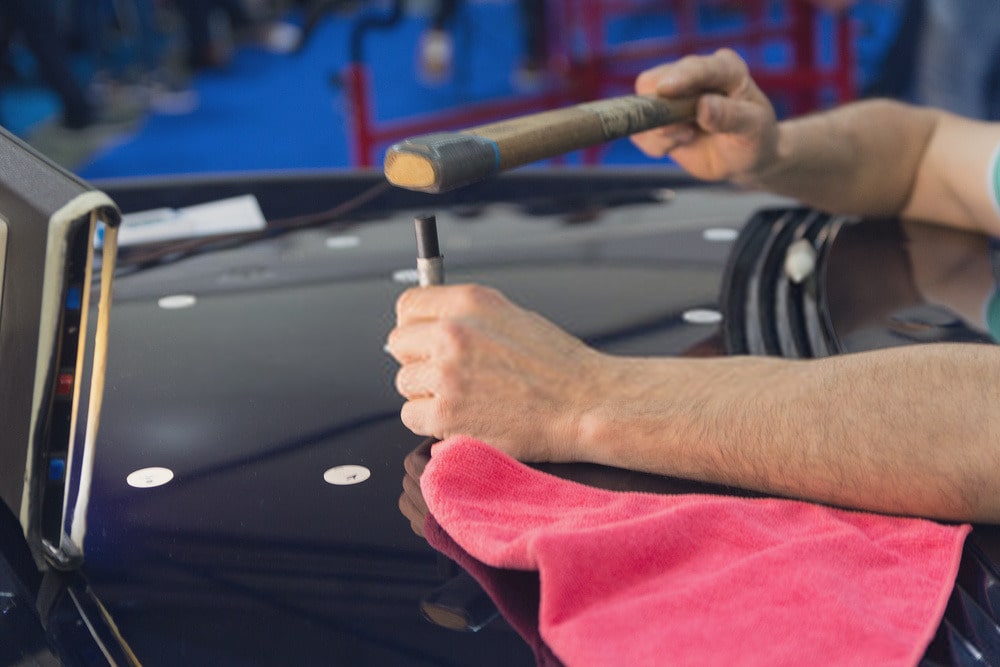
Paintless dent repair is a highly specialized technique that removes dents without sanding, filling, or repainting. Technicians massage or pull dents from the interior or exterior panels, restoring the original factory metal.
Insurance companies often prefer PDR over traditional bodywork because:
- It costs less: No paint, fillers, or extended labor required.
- It’s faster: Many hail repairs are completed in days, not weeks.
- It preserves vehicle value: Original paint = higher resale.
- It’s ideal for hail damage: Multiple small dents are exactly what PDR was designed for.
Because it’s a win-win for drivers and insurers, PDR has become the go-to method for hail claims in Denver.
Does Insurance Actually Cover Paintless Dent Repair?
1. Full Coverage (Comprehensive Insurance): YES
Nearly all comprehensive policies cover hail damage, which includes PDR. Comprehensive insurance is the part of your policy that covers events not caused by collisions—like hailstorms, vandalism, theft, or falling branches.
If you have comprehensive coverage, your insurer will generally approve PDR whenever the dents qualify for that method.
2. Liability-Only Coverage: NO
If you only carry liability insurance, hail damage is not covered, and PDR costs will be out-of-pocket.
3. Collision Coverage: SOMETIMES
While collision is designed for accidents, it may cover Paintless Dent Repair if dents result from a collision with another object—such as a shopping cart or another car door. However, hail is never considered a collision event.
Will Your Deductible Apply?
Yes—your comprehensive deductible applies to hail repairs. Denver drivers often carry deductibles between $250 and $1,000.
Here’s the good news:
Hail damage estimates often exceed $3,000–$8,000, especially during heavy storms. Even with a deductible, it’s usually worth filing a claim.
Some Denver PDR shops even offer deductible assistance, but make sure the shop is reputable and transparent.
How the Denver Auto Hail Claim Process Works
Colorado insurance companies have streamlined hail damage claims because of how common they are. Here’s the step-by-step process you can expect:
1. File Your Claim Immediately
Most insurers allow:
- Online claim submissions
- In-app photo estimates
- Phone claim support
Because storms can impact thousands of vehicles, filing early helps ensure faster scheduling.
2. Schedule an Adjuster Inspection
An insurance adjuster will inspect your vehicle—or request photos—to create an initial estimate. This estimate often undervalues the damage because hail dents are hard to see outdoors.
Tip: Many PDR shops offer free pre-inspection services and will meet with the adjuster to ensure accuracy.
3. Choose Your Repair Shop
Colorado law allows you to choose any licensed repair shop, even if your insurer recommends a preferred partner.
PDR-only specialists often deliver:
- Higher repair quality
- Faster turnaround
- Better handling of supplement requests
4. Supplement Approval
Once the repair shop begins working, they may find additional dents hidden under glare or lighting conditions the adjuster didn’t use. This is normal.
The shop submits a supplement to the insurance company, which usually approves it the same day.
5. Repair Completion
Depending on the severity of the storm, hail repair can take:
- 1–3 days for light damage
- 1–2 weeks for severe dents across multiple panels
Why Denver Has More PDR Claims Than Most Cities
Denver sits in the center of “Hail Alley,” a region stretching across Colorado, Wyoming, and Nebraska that experiences some of the most frequent and damaging hailstorms in the U.S. The combination of high altitude, sudden weather changes, and moisture-rich air produces intense hail events every year.
This results in:
- Thousands of hail-damaged vehicles annually
- Higher insurance awareness
- More experienced Denver PDR technicians
- Streamlined claims processes
If you live anywhere from Aurora to Lakewood to Thornton, you’ve likely seen entire lots of hail-damaged cars after big storms.
Tips to Make Your Denver Insurance Claim Go Smoothly
1. Don’t Wait—Secondary Damage Can Occur
If hail dents break through the paint (common with severe storms), moisture can lead to rust. Filing promptly protects your vehicle and your payout.
2. Avoid Quick “Pop-Up” Hail Repair Tents
Some out-of-state repair teams show up after big storms. They may leave before warranty issues appear. Stick to established Denver shops with local reviews.
3. Don’t Accept a Lowball Initial Estimate
Insurance photo estimates often miss:
- Roof dents
- Subtle hood impressions
- Damage on metal trim
A quality PDR shop will handle supplements for you.
4. Know That “Total Loss” Is Possible
In some extreme hail events, if the PDR and replacement cost exceeds the vehicle’s value, the insurer may declare a total loss. This is more common with older cars.
5. Keep Your Claim Number Handy
Everyone you work with—adjusters, body shops, PDR techs—will need it.
What If the Insurance Company Suggests Bodywork Instead of PDR?
Insurance companies sometimes recommend traditional bodywork when:
- Dents are too deep
- Metal is stretched or cracked
- Paint is chipped or broken
- The panel is aluminum or difficult to access
However, many panels labeled “non-repairable” by adjusters can still be repaired by highly skilled PDR technicians.
If a shop believes the panel is repairable, they can challenge the insurance recommendation with documentation or video evidence.
Can You Choose Your Own PDR Shop in Denver?
Absolutely. Colorado law protects your right to choose any repair facility. You are not required to use the insurer’s preferred network.
Many drivers choose independent PDR specialists because:
- They perform higher-quality work
- They prioritize PDR over repainting
- They offer lifetime warranties
- They assist with insurance paperwork
Final Answer: Does Insurance Cover Paintless Dent Repair in Denver?
Yes—if you have comprehensive coverage, your insurance will most likely cover paintless dent repair, especially for hail damage, door dings, or other non-collision dents.
Denver’s weather makes PDR one of the most common and cost-effective repairs in the region. Insurance companies understand this and generally approve PDR quickly, especially when working with experienced local shops.
Recent Comments